 Find Local Resources
Our Story
Coffective’s story reflects more than a decade of work to improve maternal and child health by helping the people and organizations around families strengthen care and coordinate support more effectively.

Communities Transforming Maternal & Child Health
Coffective’s story reflects more than a decade of work to improve maternal and child health by helping the people and organizations around families strengthen care and coordinate support more effectively.
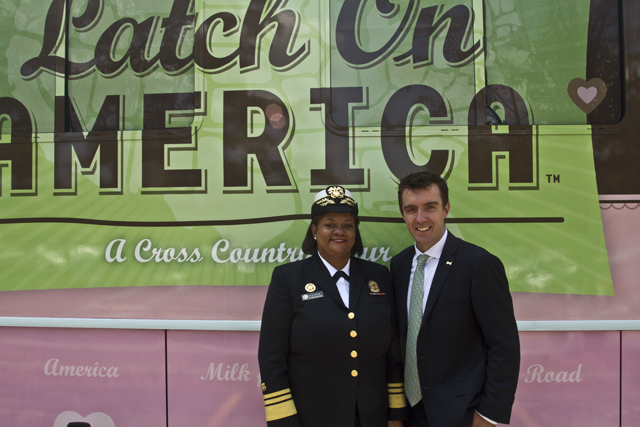
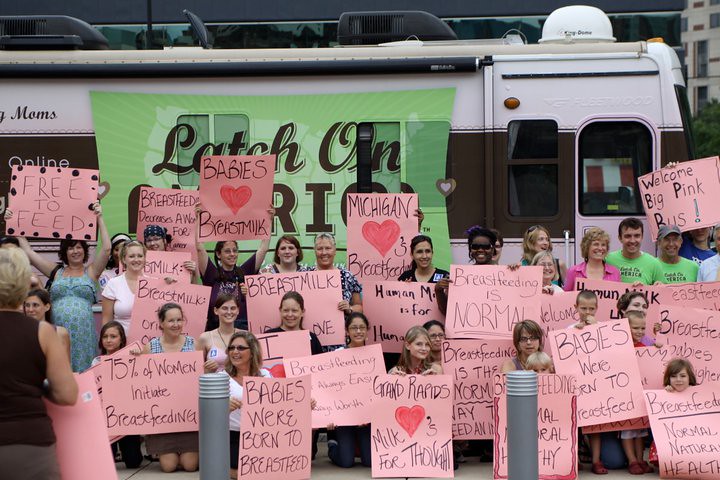
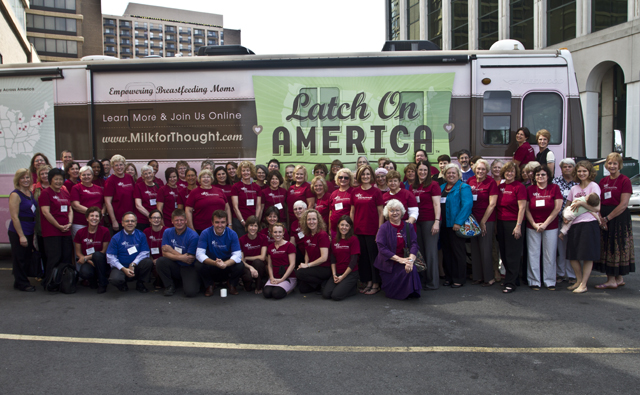
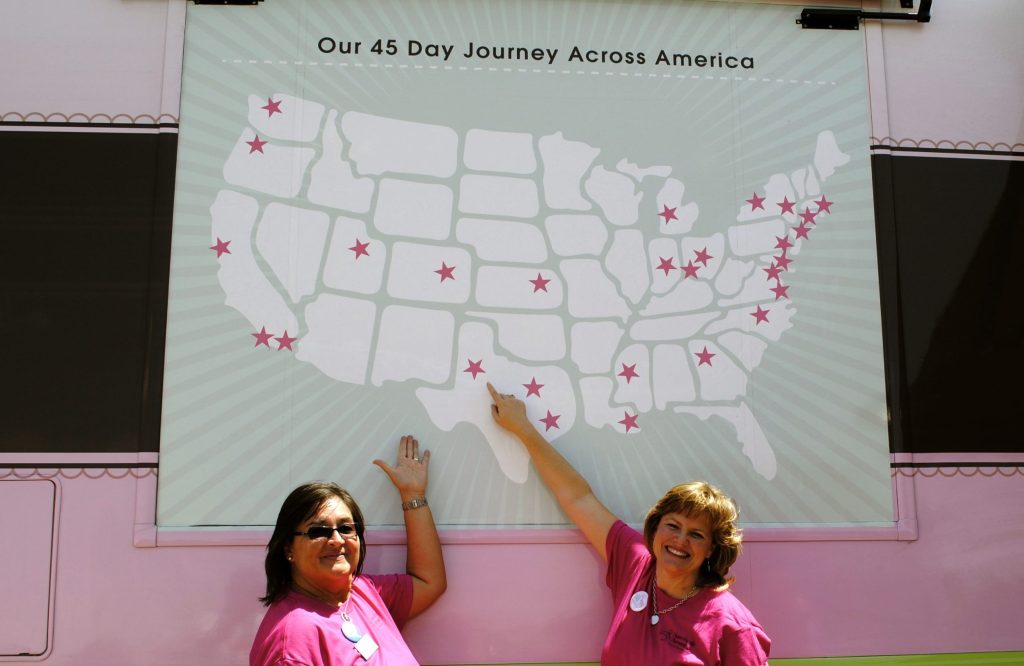
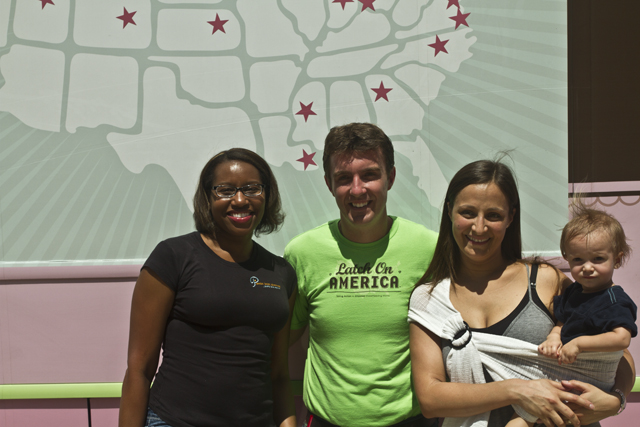
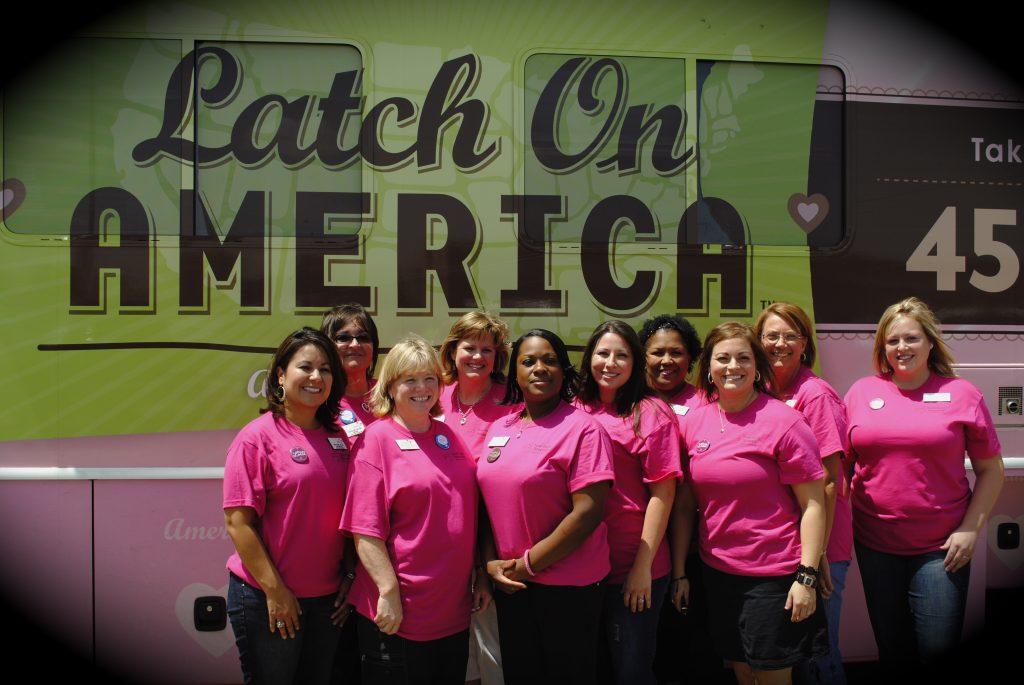
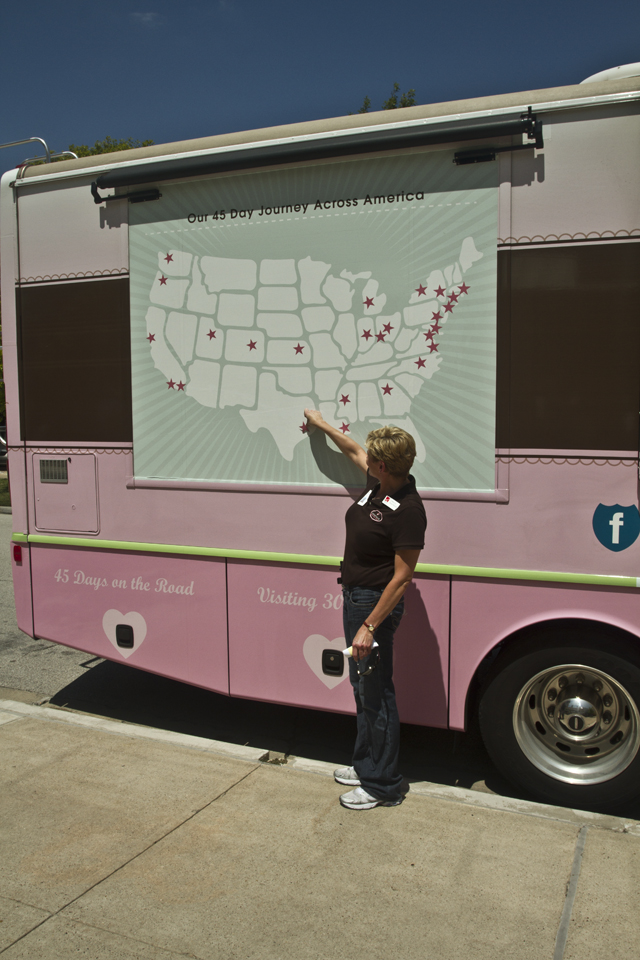
Coffective began in 2011 with a 40-foot pink bus tour inspired by The Surgeon General’s Call to Action to Support Breastfeeding. The tour was created to learn about the barriers families faced when trying to reach their breastfeeding goals.
What Coffective heard first was that families were often receiving conflicting or incomplete breastfeeding guidance during pregnancy, at birth, and after going home. The people sharing that guidance cared deeply about families, but they did not always have the same information or language to use.
That lesson helped shape Coffective’s name and direction. Coffective means community plus effective, reflecting a belief that families are better supported when a community’s knowledge, commitment, and services work together.

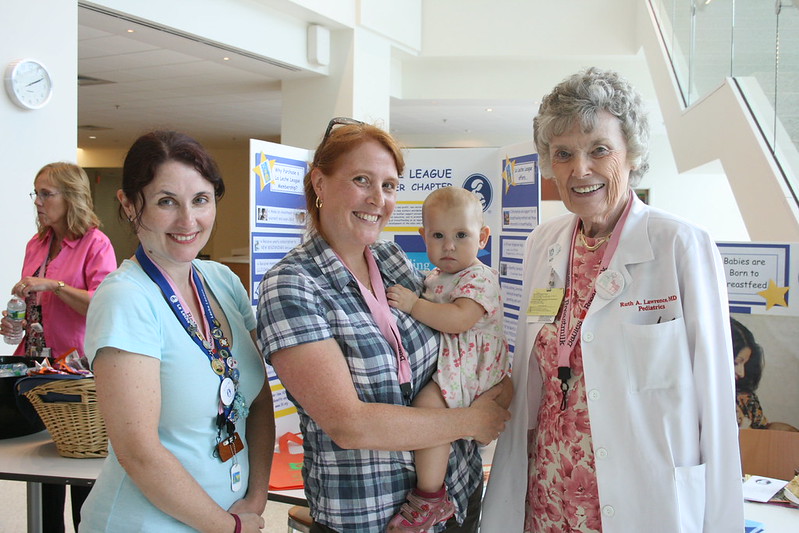








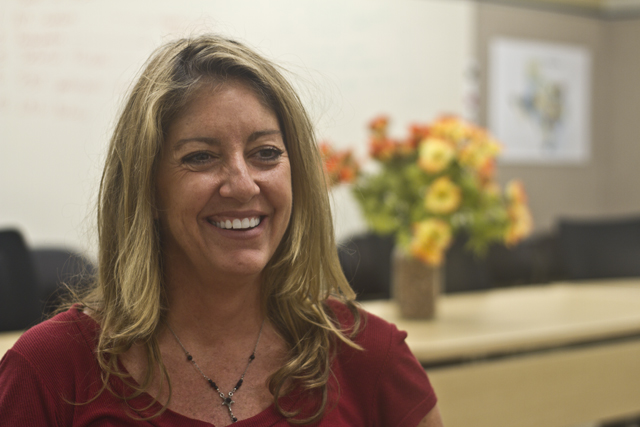
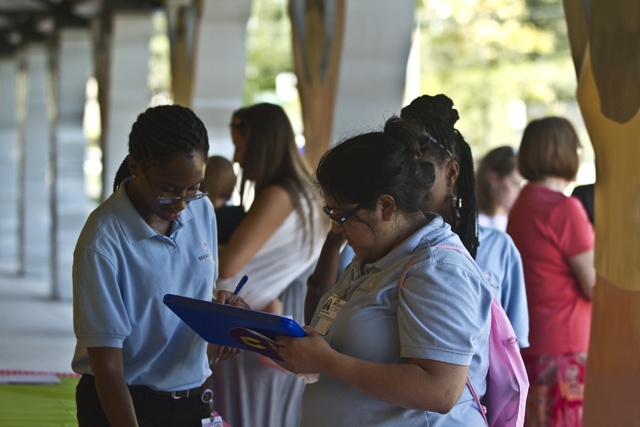
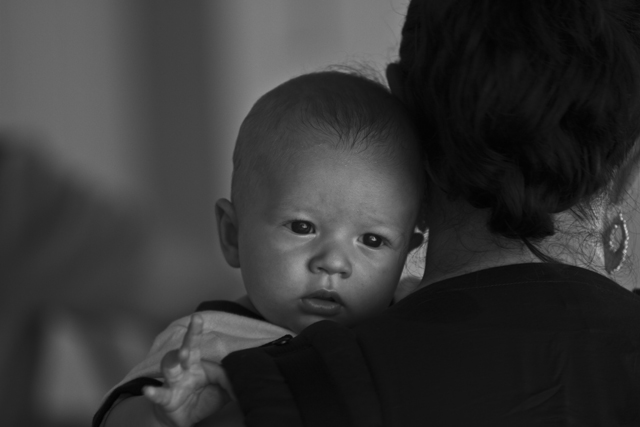
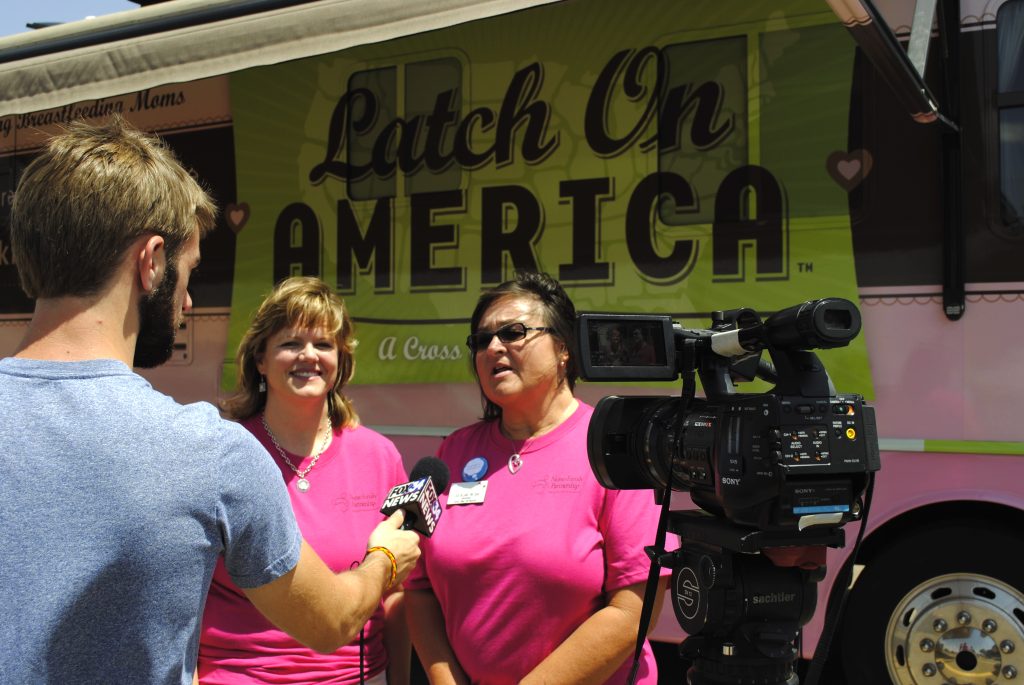







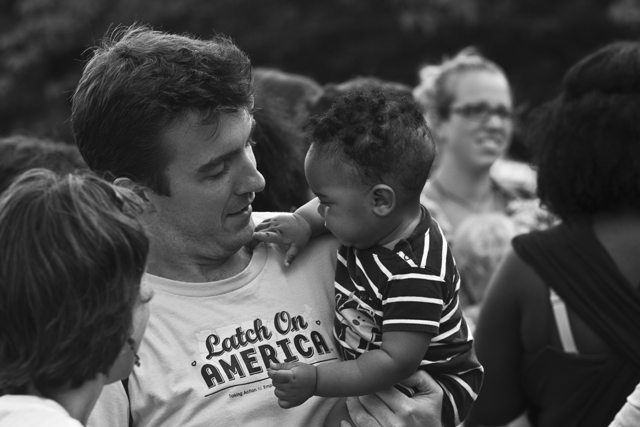

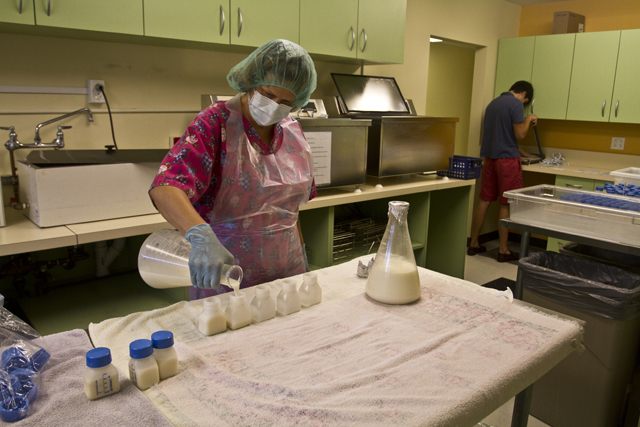
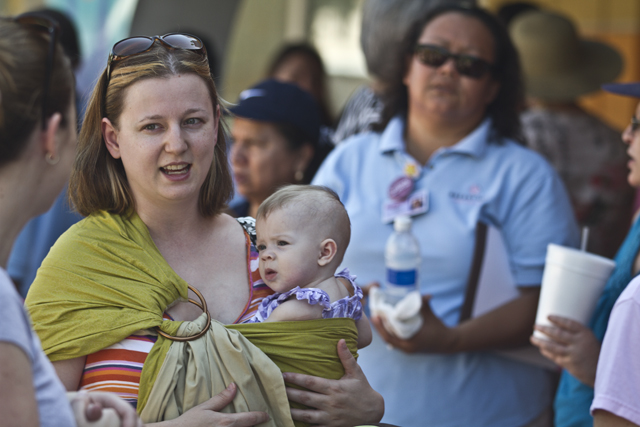

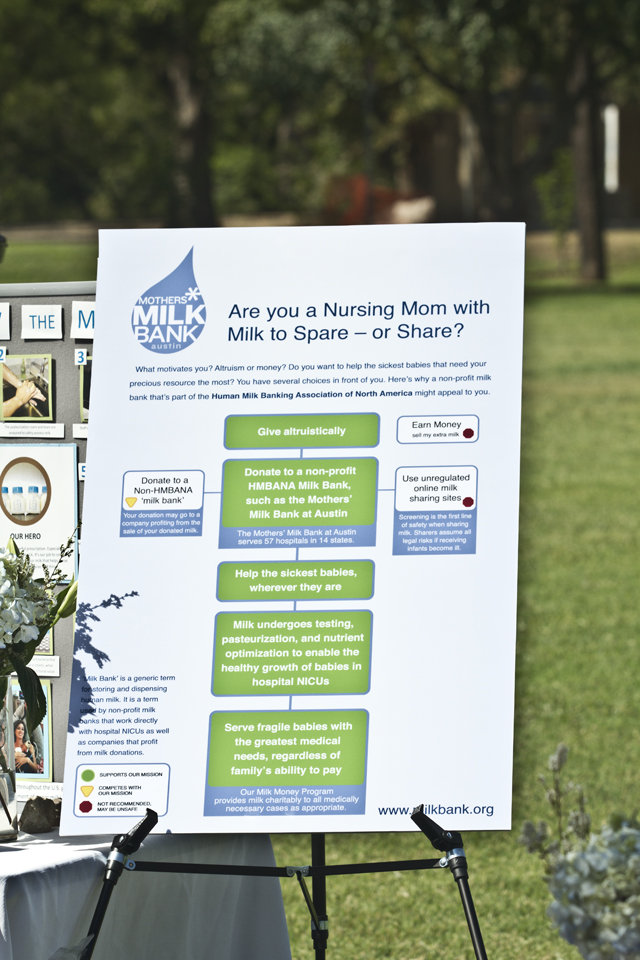
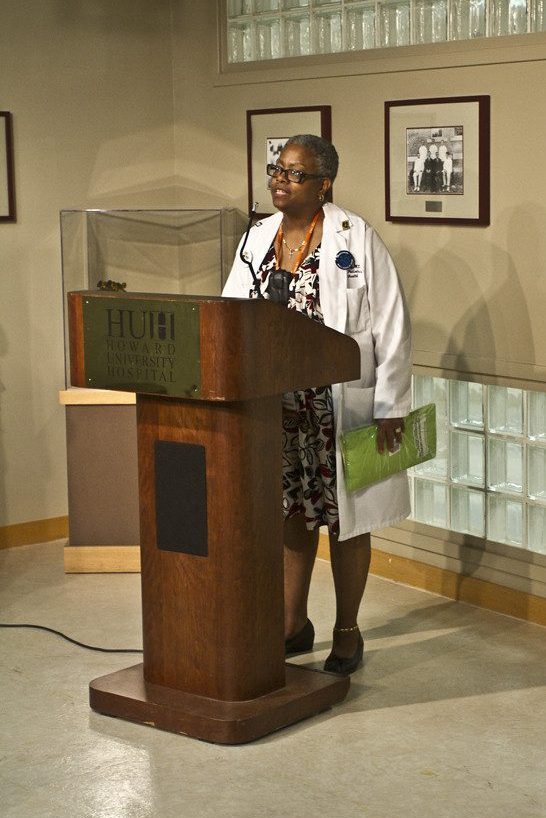
Coffective’s early work turned what it heard into training and tools that could be used in the places families received care and guidance. The goal was to help staff share clearer breastfeeding information while supporting evidence-based care. A family could talk through similar ideas in a prenatal class, WIC appointment, hospital stay, or home visit instead of sorting through mixed messages during an already important time.
As those resources reached more organizations, Coffective saw that materials needed support to become part of care. Staff needed help knowing when to use them, how to talk through them with families, and how they connected to the practices families were told to expect.
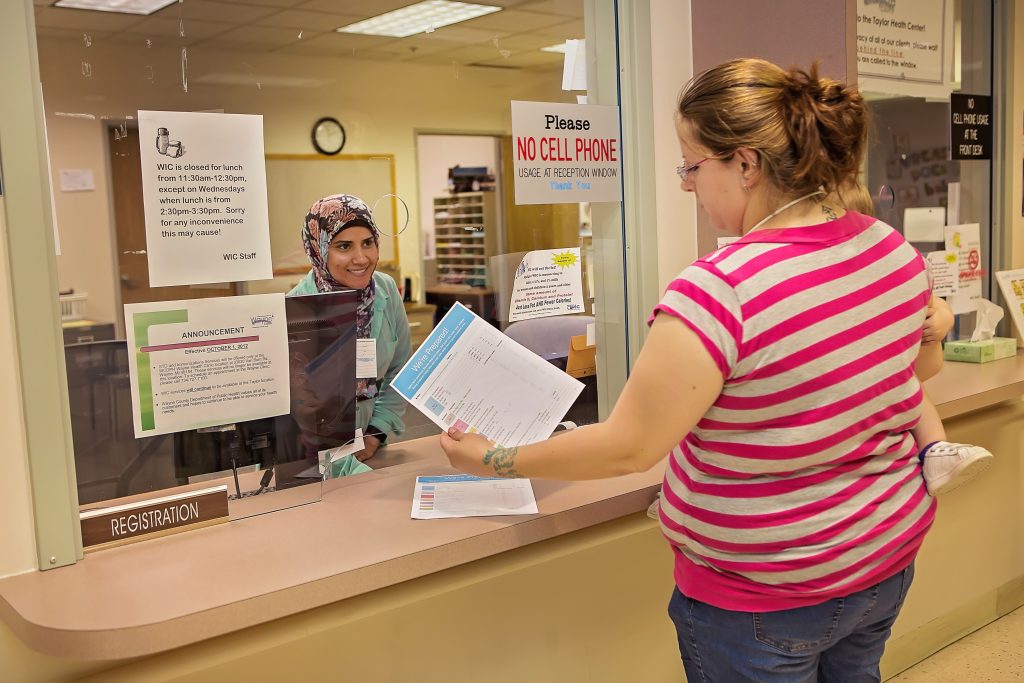
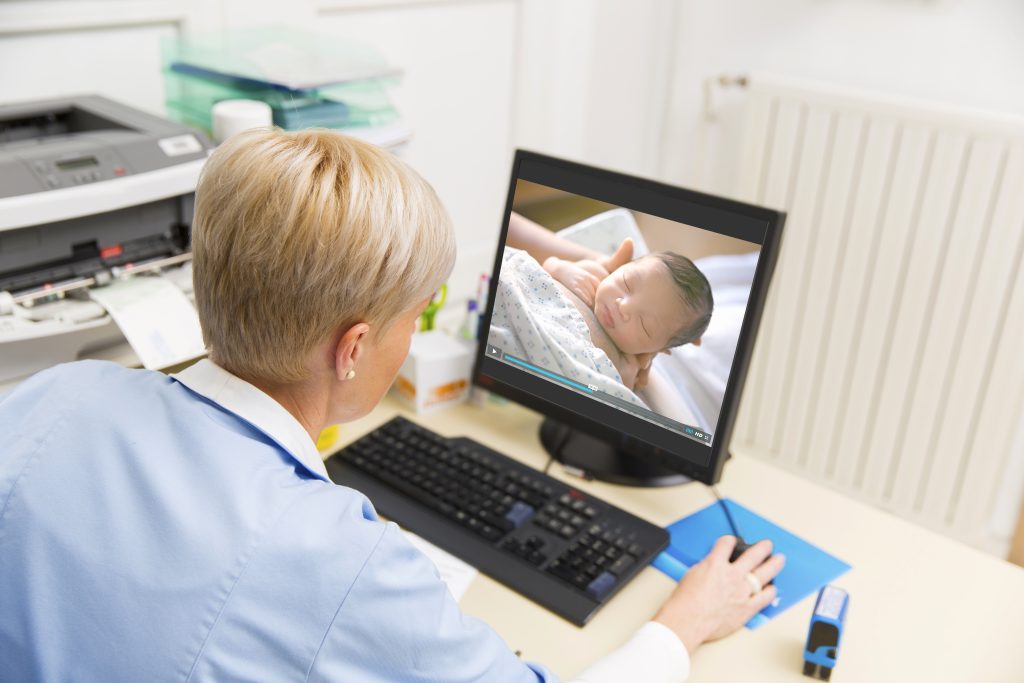
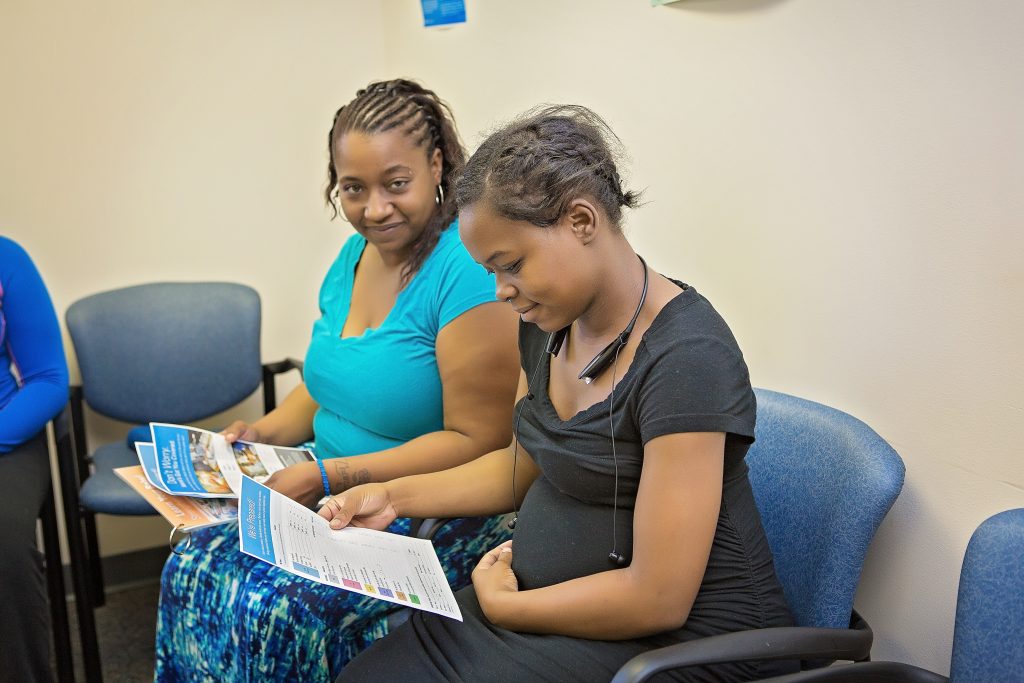
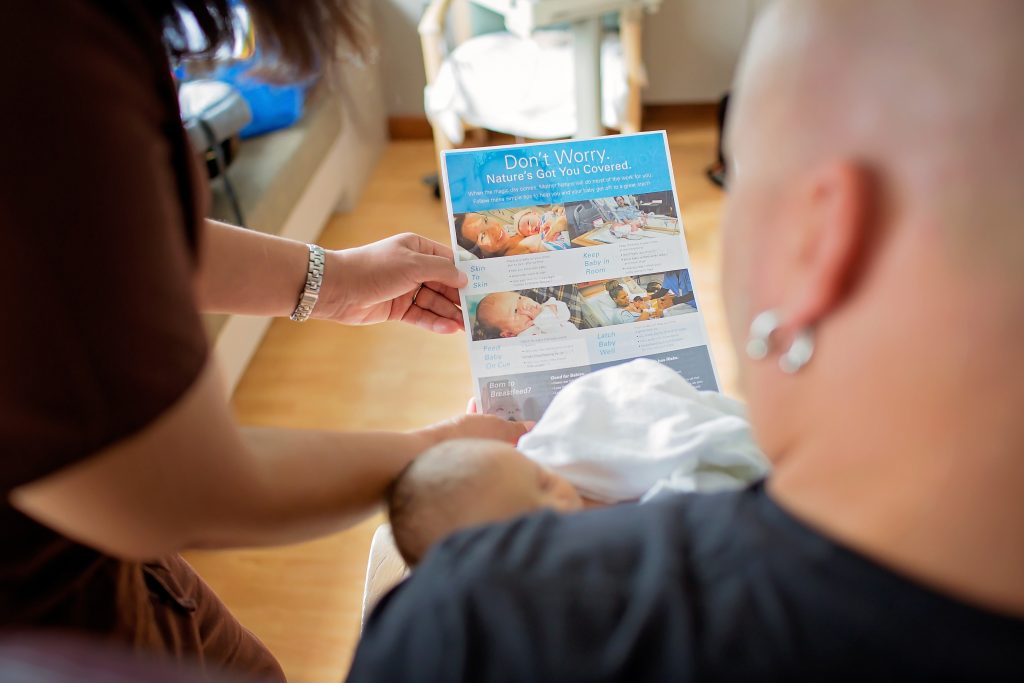
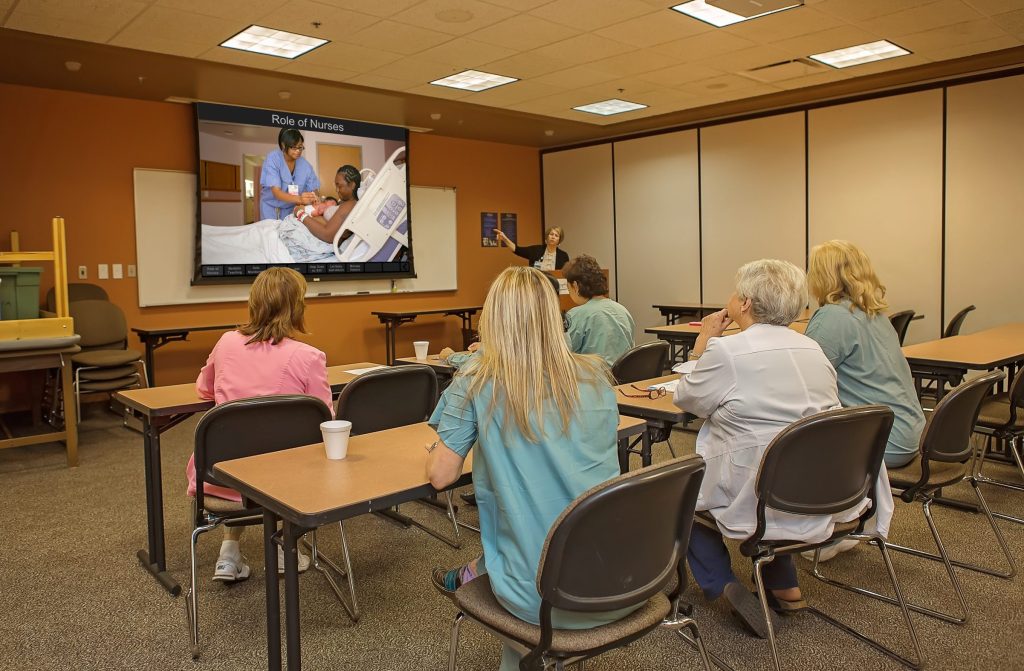
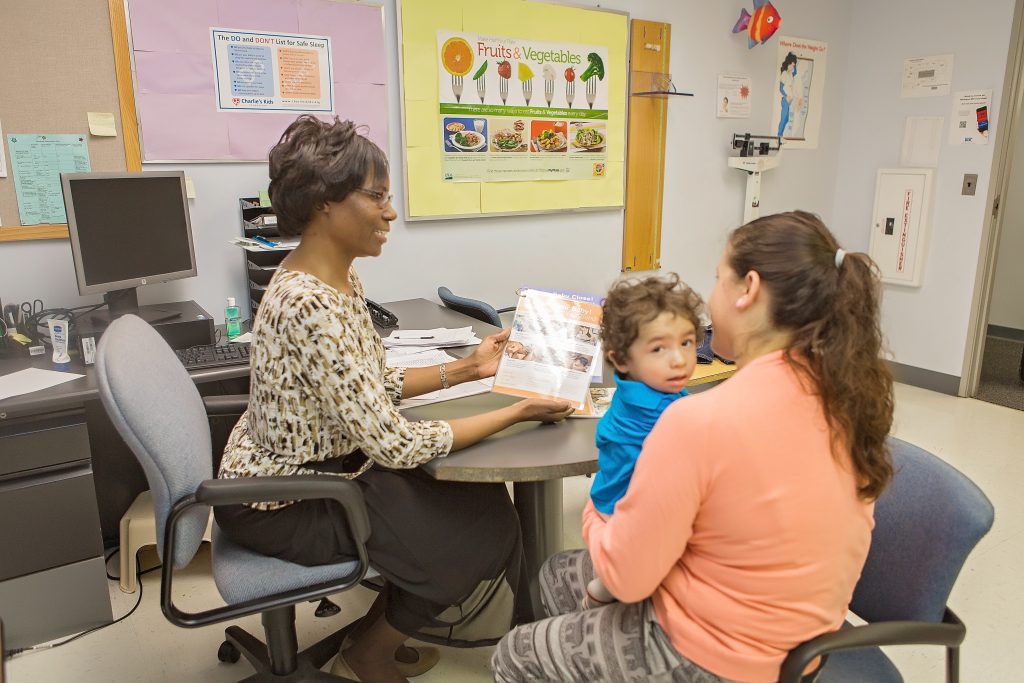
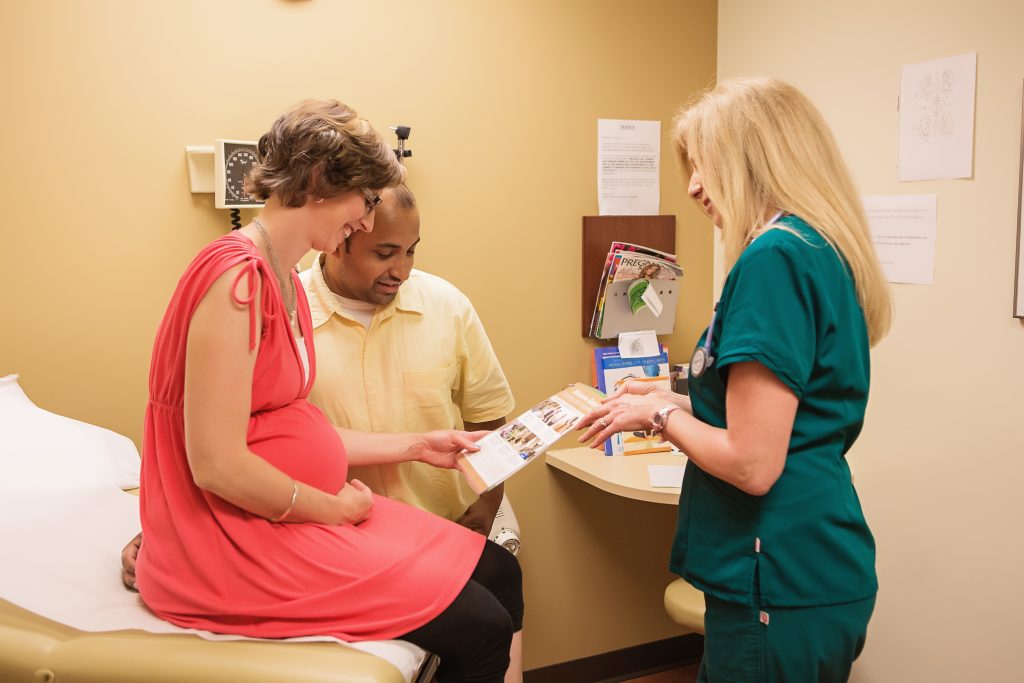
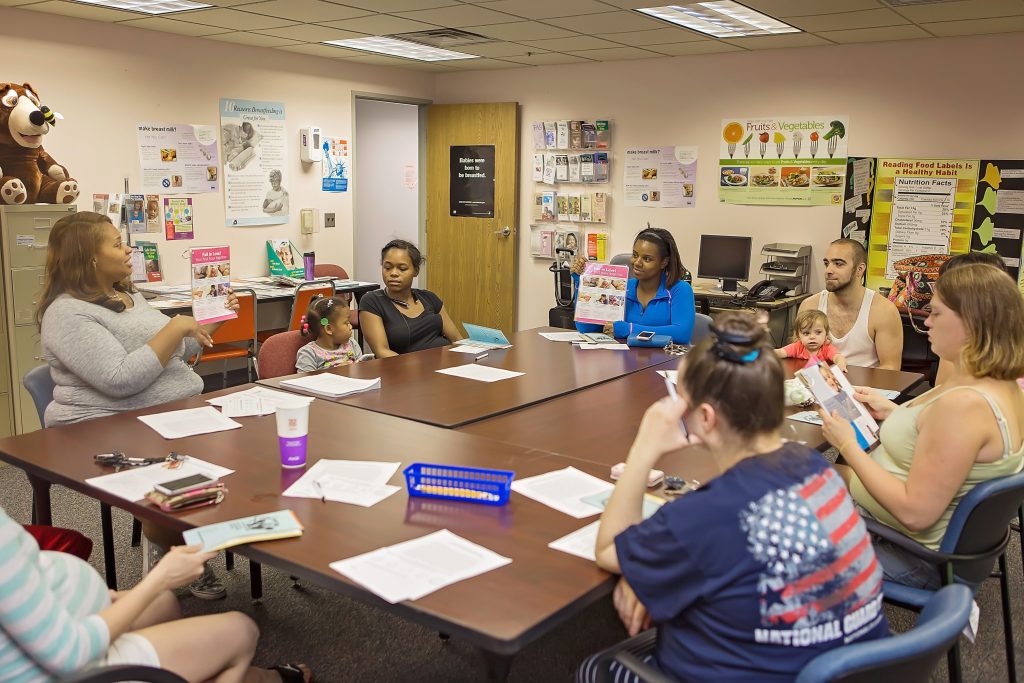
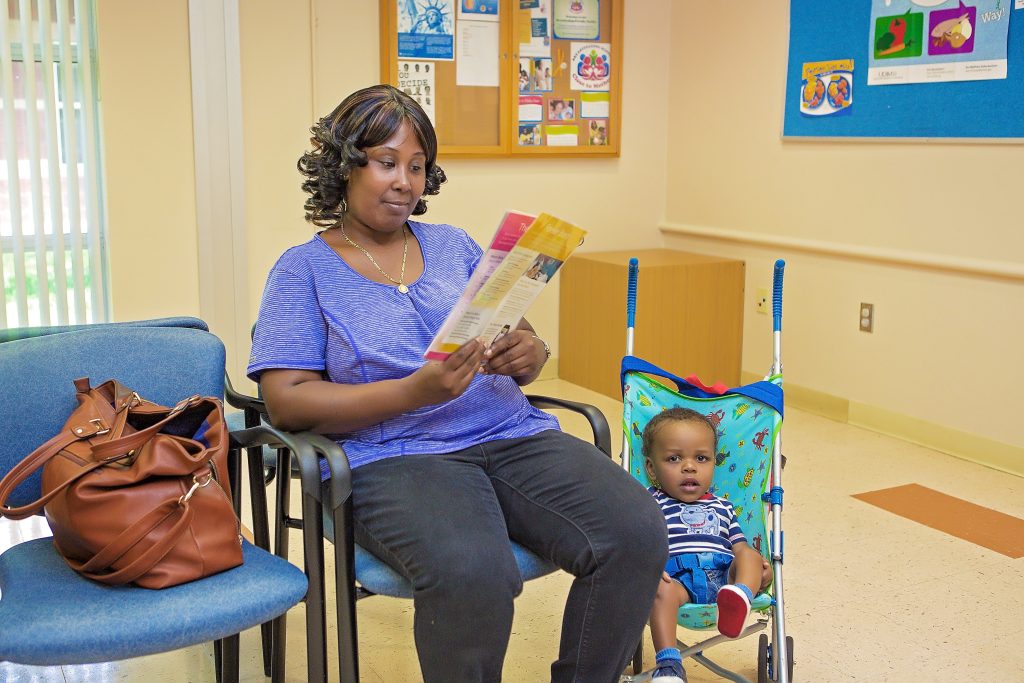
That learning moved Coffective into coaching with individual organizations. Coffective helped hospitals, WIC agencies, and other programs adapt the tools to their staff roles, services, and conversations with families.
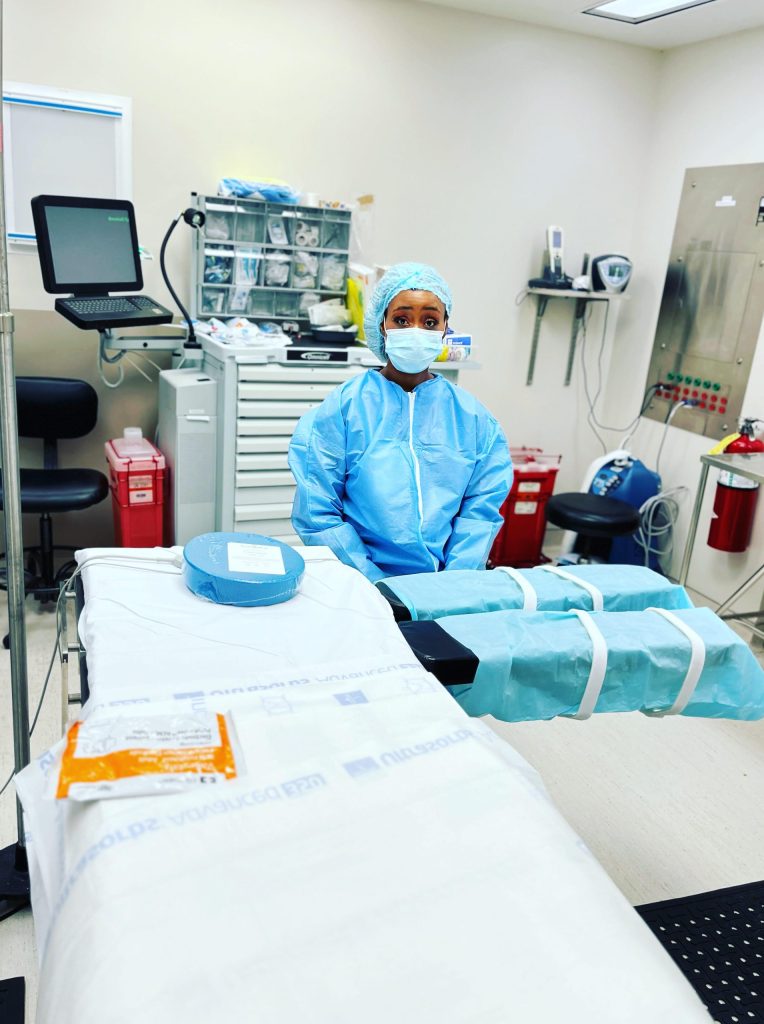
In clinical settings, Coffective supported teams working toward Baby-Friendly practices, state designation efforts, and related quality improvement goals. The work later moved toward competency-based learning, with more focus on whether staff could understand, demonstrate, and apply skills with families in informed, consistent, and unbiased ways.
Working closely with individual organizations revealed a larger gap. A hospital or clinic could strengthen its care. A WIC agency could improve its education. A home visitor or community group could offer support. Still, families needed those supports to connect as they moved from one place to another.
Coffective’s work broadened into community coordination. Partners built relationships, learned more about one another’s services, strengthened referrals, and coordinated around local needs. The purpose was to make it easier for families to find care, understand what was available, and stay connected beyond a single visit, program, or organization.
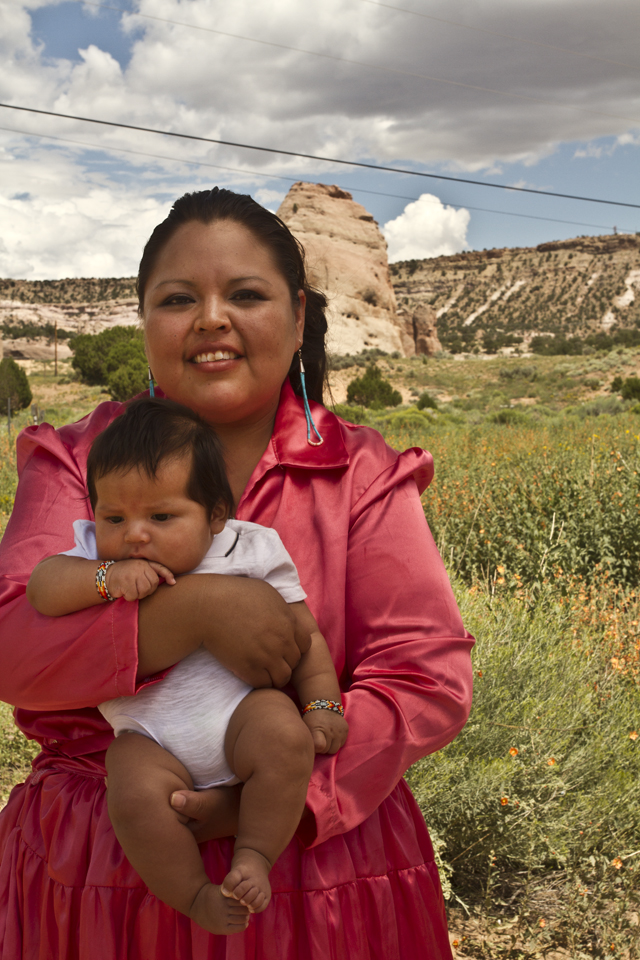
As Coffective and its partners looked more closely at family experience, the work also had to look more honestly at how differences in care impacted health outcomes. It was not enough to know that guidance, training, or services were available. The harder question was whether families were actually receiving the care and support they needed, especially among BIPOC, low-income, and rural populations.
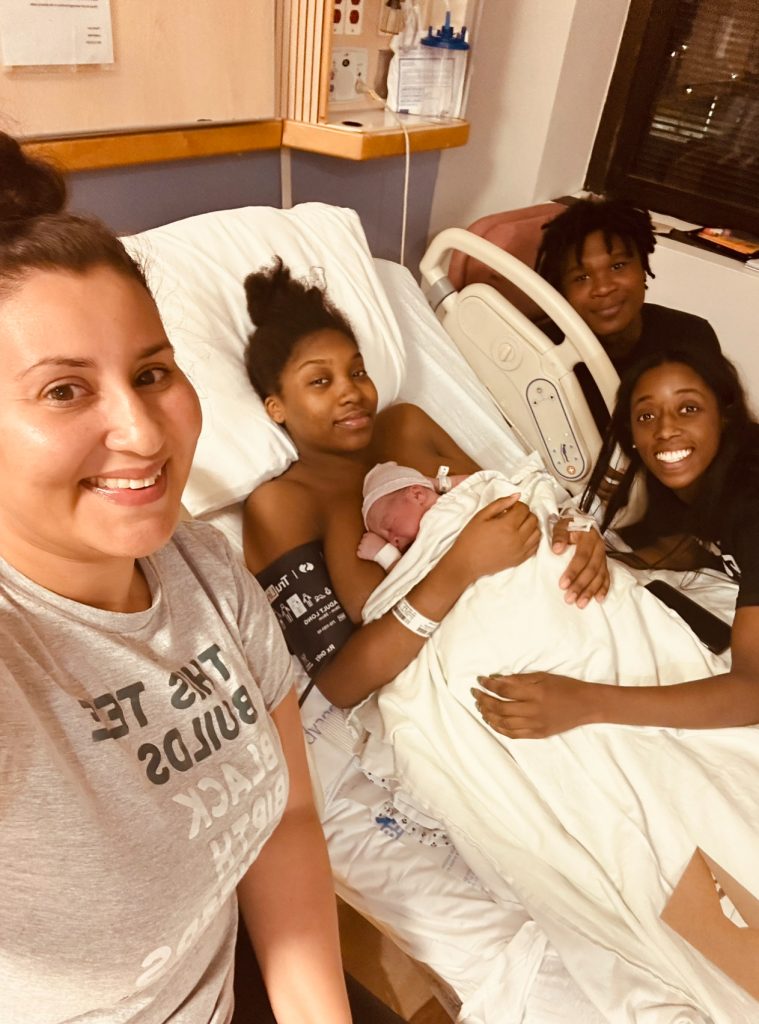
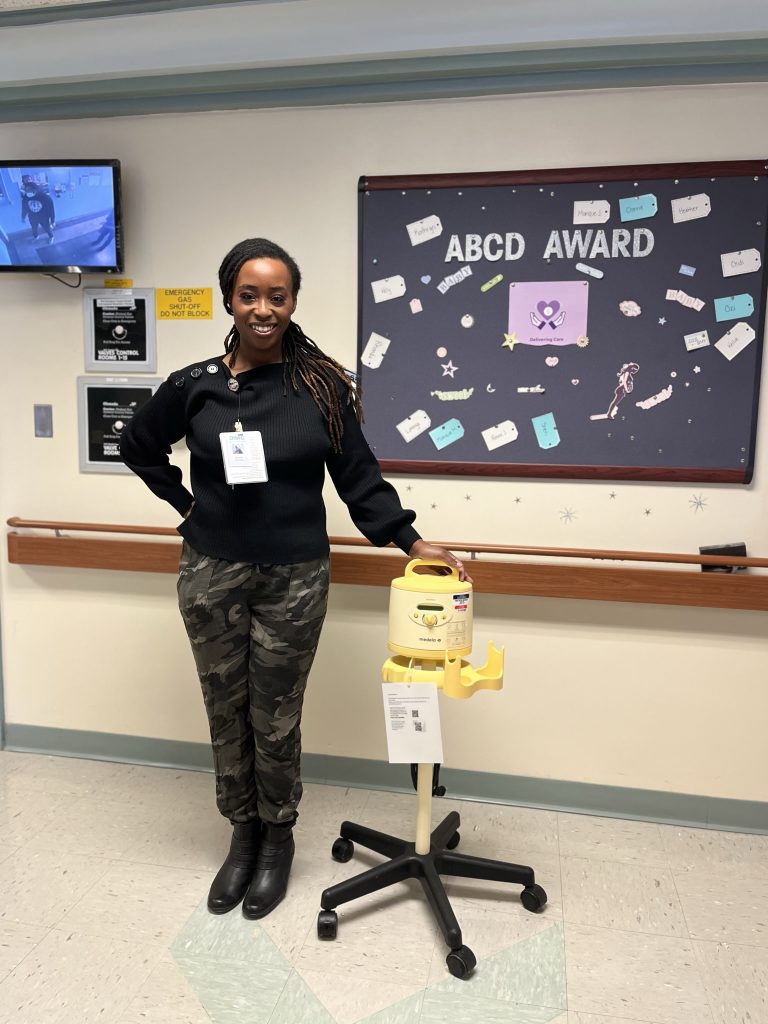
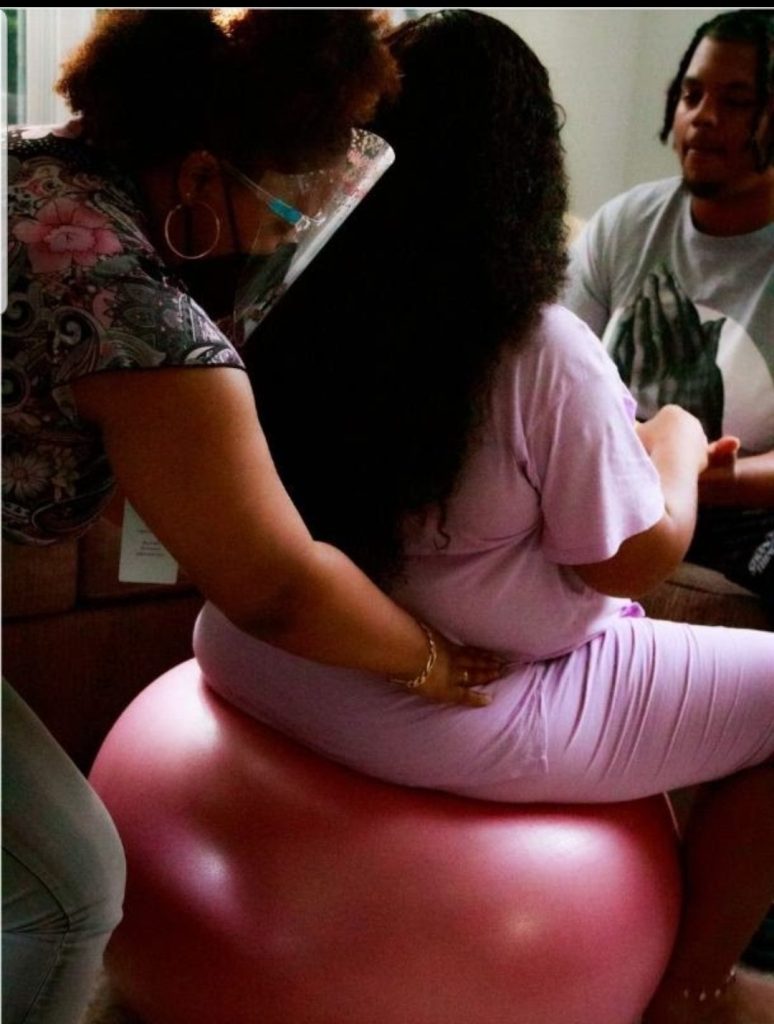
Family feedback, race-stratified data, and community leadership helped clinical teams see which families were being reached, which were being missed, and what needed to change. The work expanded beyond hospital practice to include more accessible doula and lactation support, stronger referral pathways, and closer hospital-community collaboration.
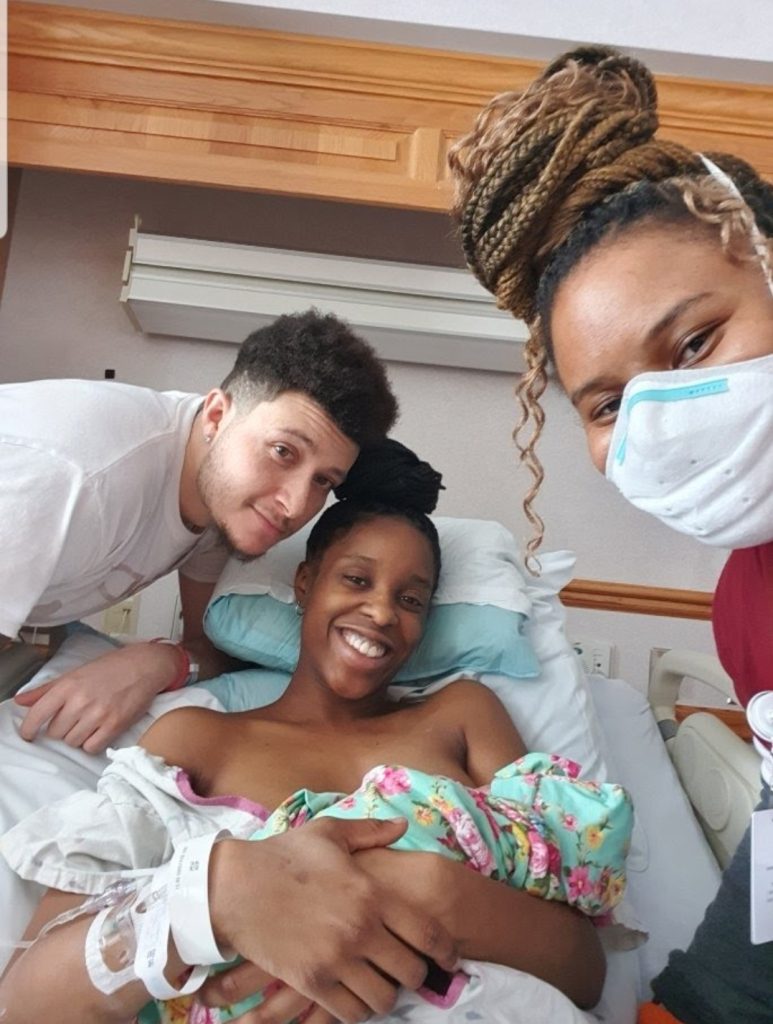
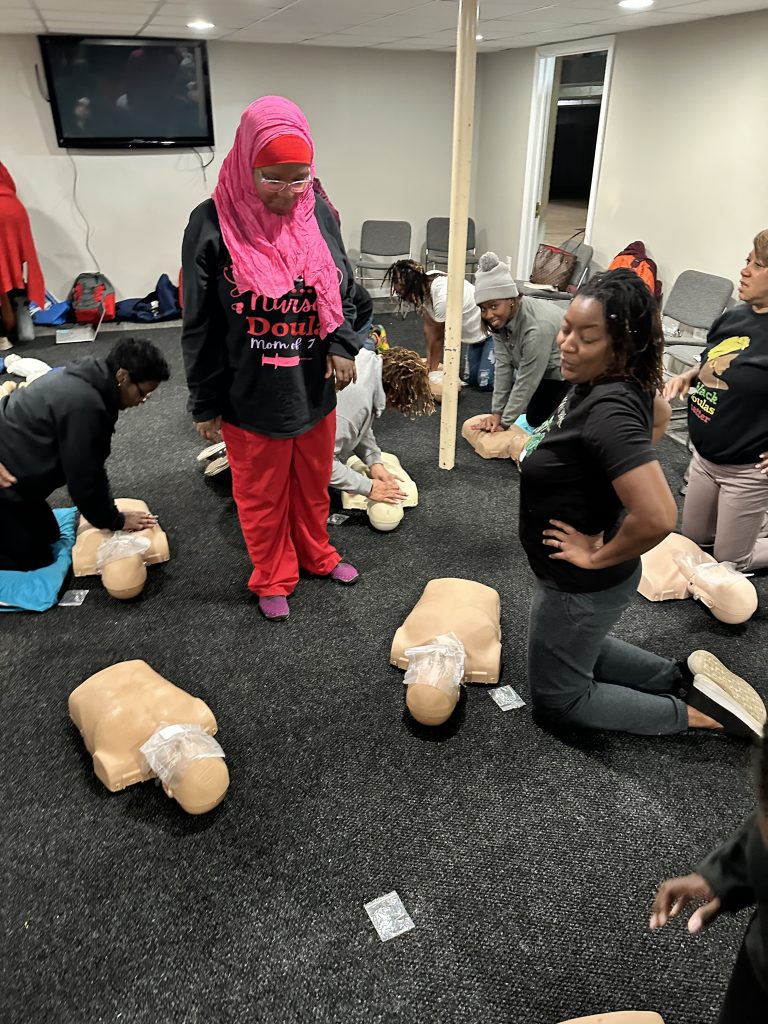
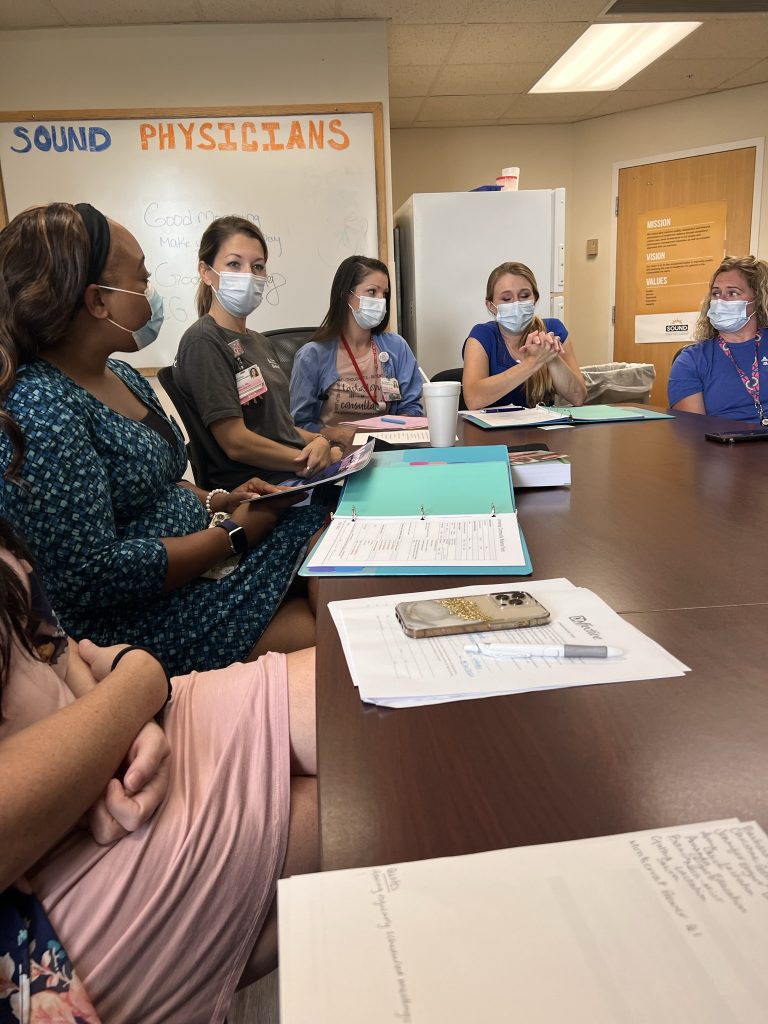
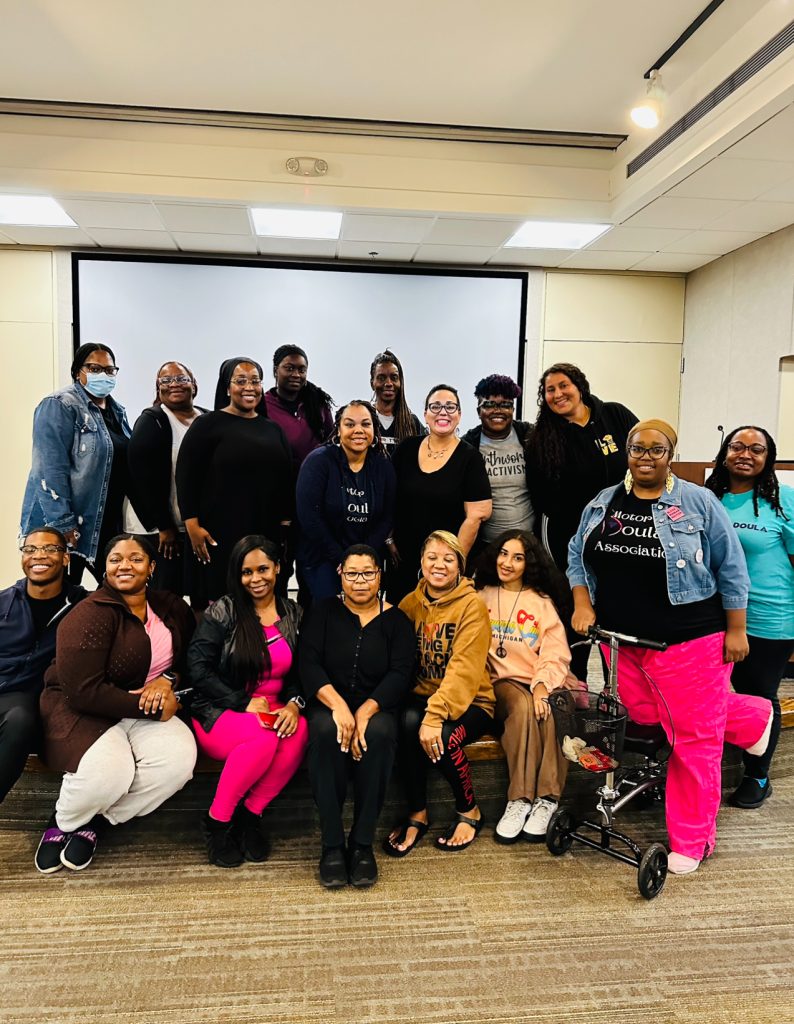
Community coordination also showed that local organizations could not solve every gap alone. They could build relationships, improve referrals, and create local solutions, but many decisions about priorities, funding, training, data, and planning were shaped at the state level.
Coffective’s later work helped state and local partners gather input, identify shared priorities, and turn what they heard into plans, workgroups, and next steps. By the end, Coffective’s work had grown far beyond its first tools, but the reason for the work remained close to the beginning. Families needed the people around them to share information, improve care, and coordinate support.
From 2011 through its final initiatives in 2026, Coffective worked across 12 states with public health agencies, WIC programs, hospitals, clinics, community organizations, and state leaders.
Coffective’s formal work has ended, but what remains can be seen in the materials partners still use, the care practices teams strengthened, the relationships built across organizations, and the examples communities shared with one another.
It also remains with the people who shaped the work and continue supporting families in their own communities. We are deeply grateful to them.